Expert Mold Evaluation & Remediation
Mold is a common problem in homes and buildings, especially in areas with high humidity or moisture. It can cause a variety of health problems, as well as damage to property. In this article, we will discuss the difference between mold removal and mold remediation, as well as the steps involved in each process.
Mold Removal
Physical removal of mold from surfaces using specialized equipment and cleaning solutions for small, localized areas.
Identify and Address Source
Identify the source of the mold growth and address any underlying moisture problems.
Isolate Affected Area
Isolate the affected area to prevent the spread of mold spores.
Remove Airborne Spores
Use specialized equipment, such as air scrubbers and HEPA vacuums, to remove mold spores from the air.
Clean Surfaces
Use specialized cleaning solutions to remove mold from surfaces.
Dispose Contaminated Materials
Dispose of any contaminated materials, such as drywall or insulation, that cannot be salvaged.
Verify Complete Removal
Verify that the mold has been completely removed using specialized testing equipment.
Mold Remediation
Comprehensive approach that removes mold and addresses underlying moisture problems for widespread or severe mold growth.
Identify and Fix Moisture Source
Identify the source of the moisture problem and address it to prevent future mold growth.
Isolate Affected Area
Isolate the affected area to prevent the spread of mold spores.
Remove Airborne Spores
Use specialized equipment, such as air scrubbers and HEPA vacuums, to remove mold spores from the air.
Clean Surfaces
Use specialized cleaning solutions to remove mold from surfaces.
Repair Damaged Materials
Repair any damaged surfaces or materials, such as drywall or insulation, that were affected by the mold growth.
Verify Complete Removal
Verify that the mold has been completely removed using specialized testing equipment.
Prevent Future Growth
Take steps to prevent future mold growth, such as improving ventilation or installing a dehumidifier.
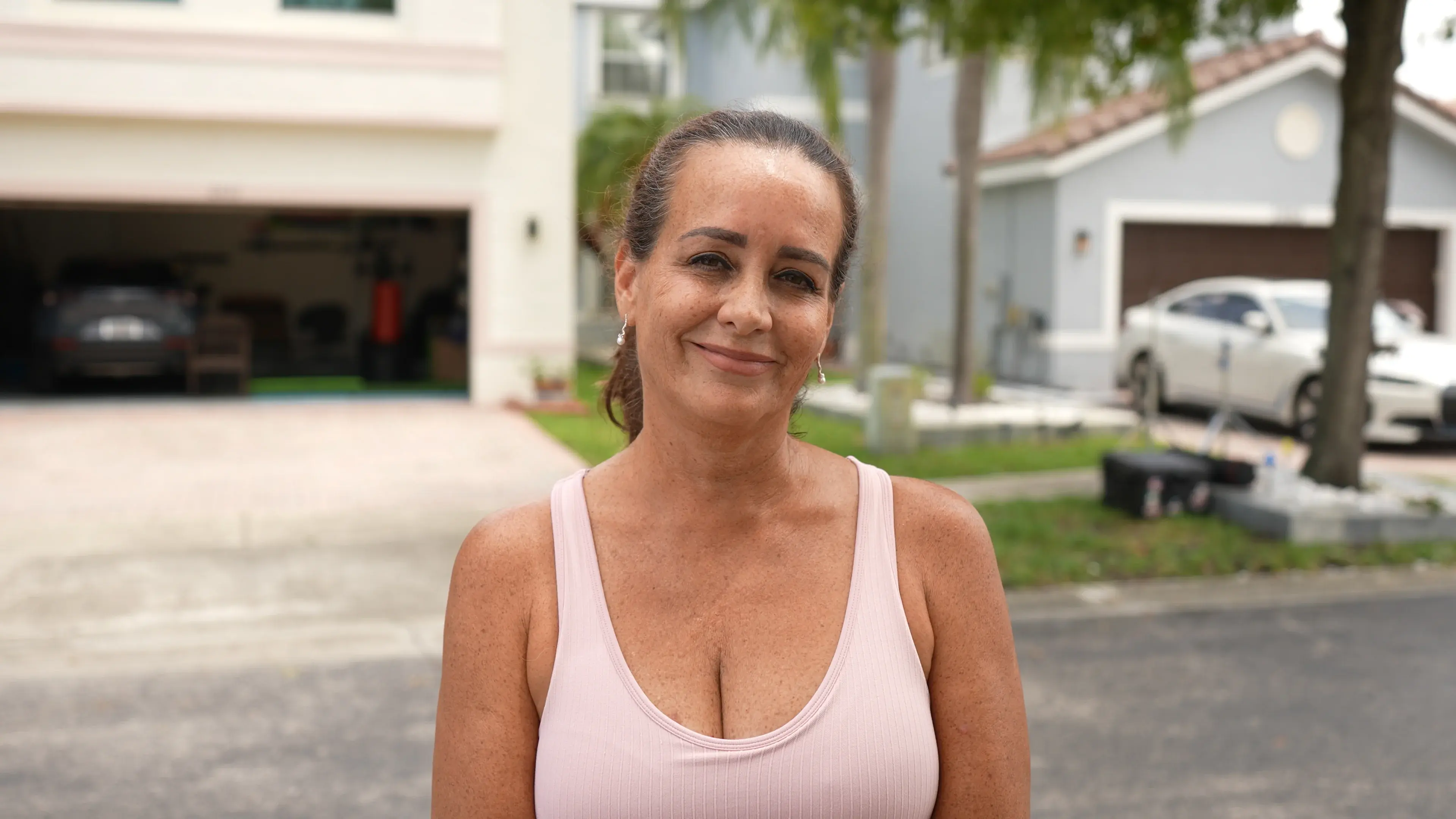
Hear From Our Satisfied Customers